MGMT Orthopedic Implants MGMT Orthopedic Implants

How to Know When to Remove Orthopedic Implants?

Time:2026-06-13 Author:Isabella
0%

Orthopedic implants have revolutionized bone repair and stability. However, they are not always meant to last indefinitely. Patients and healthcare providers must consider various factors when deciding "when do orthopedic implants need to be removed." According to a study by the Journal of Orthopedic Research, about 10-15% of orthopedic implants face complications requiring removal. This statistic highlights that monitoring is critical post-surgery.

Consider circumstances like infection, implant failure, or discomfort. Studies indicate that approximately 30% of patients report pain five years after implantation. This pain can signal underlying issues that necessitate implant removal. In the context of sports or physical activity, high-impact stresses may further complicate the decision, as not all patients respond equally to such strains.

Patient experiences vary, and individual factors like age, health, and activity level matter. For instance, younger patients may have a higher tendency to experience complications compared to older adults. Reflecting on these factors ensures a thoughtful approach to treatment. In conclusion, being informed about the situations that may warrant the removal of orthopedic implants is essential for effective patient care.
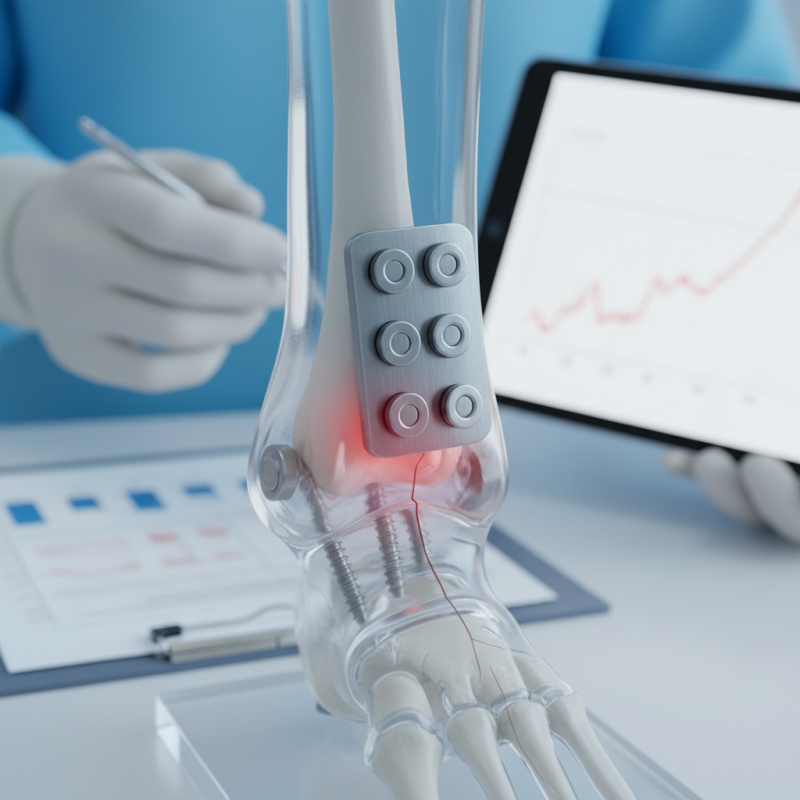
How to Know When to Remove Orthopedic Implants?

Understanding Orthopedic Implants and Their Purpose

Orthopedic implants are artificial devices used to support or replace damaged bones and joints. They help restore function and alleviate pain. According to a report by the American Academy of Orthopaedic Surgeons, over 1 million orthopedic surgeries involving implants occur annually in the United States. These can include joint replacements, fracture repairs, and spinal surgeries. The growing demand for implants highlights their importance in modern medicine.

Understanding the purpose of these implants is crucial for patients. They are designed to enhance mobility and improve quality of life. However, they are not without risks. Complications can arise, such as infection, implant failure, or ongoing pain. Studies show that more than 10% of patients may require a revision surgery within ten years post-implantation. Recognizing signs of failure, like persistent pain or reduced function, is essential for timely intervention.

While orthopedic implants often lead to positive outcomes, the decision to remove them must be carefully considered. Not all patients experience the same results. It is critical to consult with a qualified orthopedic specialist to evaluate individual cases. This decision involves weighing the benefits against potential risks of removal, including the possibility of further complications. Continuous monitoring and open communication with healthcare providers are vital for patient well-being.

Understanding the Lifespan of Orthopedic Implants

Signs Indicating the Need for Implant Removal

Orthopedic implants are crucial for recovery after certain surgeries. However, they might need to be removed under specific conditions. Recognizing the signs of implant-related problems can help you make timely decisions. Pain around the implant site is one of the most common indicators. If you experience persistent discomfort, it may signal an issue. Swelling or redness near the implant could also suggest complications.

Another warning sign is a noticeable change in function. If you feel a sudden loss of mobility, you should consult with a healthcare professional. In some cases, an implant may become infected. Look for fever or unusual discharge. These symptoms require immediate attention.

It's essential to communicate openly with your doctor. Discuss your concerns and any changes in your condition right away. The decision to remove an implant is not always clear-cut. Each case is unique, and individual circumstances matter significantly. Reflecting on your experience and symptoms is key to understanding when surgical intervention might be necessary.

Evaluation Procedures Before Deciding on Implant Removal

Evaluating the need for orthopedic implant removal is a crucial step in patient recovery. A thorough assessment often involves imaging studies, such as X-rays or MRI scans. These tools help visualize the condition of the implant and surrounding bone. Changes in alignment, or evidence of infection, can indicate potential problems. Clinicians also consider patient symptoms, such as persistent pain or swelling. Such symptoms may suggest complications requiring further intervention.

Patient history plays a vital role in the evaluation process. Previous surgeries, comorbidities, and activity levels can influence healing. Physical examinations are essential, as they reveal changes in mobility or joint function. Engaging in open discussions about discomfort allows healthcare providers to gauge the implant's status. Sometimes, the decision to remove an implant stems from both clinical findings and patient feedback.

It's important to acknowledge that not every implant needs removal. Some patients may experience discomfort without need for surgical intervention. Monitoring and regular check-ups are often effective in determining the right course of action. Each case must be evaluated individually, reflecting a balance of medical expertise and patient-centered care. The path to recovery is not always straightforward; therefore, collaboration among healthcare professionals is essential.

Risks and Benefits of Removing Orthopedic Implants

When considering the removal of orthopedic implants, it is essential to weigh both risks and benefits. Implants can sometimes cause discomfort or complications. Patients may experience pain, infection, or mobility issues. These problems can lead to a decision to remove the implant. However, surgery is not without risks. Anesthesia complications and recovery challenges can arise. Surgeons need to evaluate each case carefully.

On the other hand, removing an implant can restore comfort and improve mobility. Many patients report increased quality of life after removal. Additionally, the body may heal better without the foreign object. However, not all implants need to be removed. Some provide ongoing support and stability. Discussion with a medical professional is crucial for making informed choices.

Understanding each individual's condition is vital. Some might feel pressure to remove implants due to outdated beliefs. Others may fear potential complications and cling to their implants. Balancing these emotions is part of the journey. It's important to consult with experts who can guide proper decision-making. Only then can the right choice emerge for a patient's unique needs.

Post-Removal Care and Rehabilitation Considerations

Post-removal care is crucial for successful recovery after orthopedic implant removal. Patients often experience discomfort and swelling in the initial weeks. About 75% of patients report some level of pain during this period. Proper management of pain and inflammation is necessary for effective healing. Physical therapy plays a vital role. Research indicates that structured rehabilitation can enhance recovery and restore function in over 80% of cases.

Rehabilitation includes strength training, stretching, and mobility exercises. It is important to start gently, particularly within the first week post-surgery. Gradual progress can lead to improved joint function. However, some patients may face setbacks. For example, about 15% experience unexpected issues, like stiffness or decreased range of motion. This necessitates a tailored approach to rehabilitation, ensuring recovery is aligned with individual circumstances.

Monitoring for signs of infection is essential. Surgical sites should be kept clean and dry. If redness or discharge occurs, it may indicate a problem. Communicating with the healthcare provider about any concerns is critical. Following their guidance will help mitigate risks and encourage a smoother recovery. Overall, understanding these post-removal care aspects can help patients navigate their rehabilitation journey more successfully.

FAQS

: What are some signs that an orthopedic implant may need removal?

: Persistent pain at the implant site is a common sign. Swelling and redness near the implant can indicate problems.

How can changes in function signal an issue with an implant?

A noticeable loss in mobility may require consultation with a healthcare professional. This should not be ignored.

What symptoms suggest an implant might be infected?

Look for signs like fever or unusual discharge. These symptoms need immediate medical attention to prevent complications.

What role does patient history play in evaluating implant conditions?

Previous surgeries and health conditions can affect recovery. Patient activity levels also influence the evaluation process.

Are imaging studies important for assessing implant issues?

Yes, X-rays or MRI scans can reveal alignment problems or infections. These tools are crucial for proper assessment.

Do all patients require implant removal if they experience discomfort?

Not necessarily. Some may have discomfort without needing surgery. Regular monitoring can help determine the best course.

Why is post-removal care important for recovery?

Patients often face pain and swelling after surgery. Proper care and pain management are key to effective healing.

What does rehabilitation after implant removal typically include?

Rehabilitation often involves strength training and mobility exercises. Starting gently is crucial to avoid setbacks.

What should patients monitor for after implant removal?

Patients should watch for signs of infection, like redness or discharge. Prompt communication with healthcare providers is vital.

How can misunderstandings in recovery be addressed?

Regular discussions with healthcare professionals help tailor the rehabilitation process. Each patient's experience is unique and requires attention.

Conclusion

When do orthopedic implants need to be removed? Understanding the purpose of orthopedic implants is crucial, as they serve to support bone healing and restore function after injuries or surgeries. However, certain signs, such as persistent pain, infection, or implant failure, may indicate the necessity for removal. Prior to making this decision, a thorough evaluation process is essential to assess the condition of the implant and surrounding tissues.

The risks and benefits of removal must be carefully weighed, as complications can arise during surgery, but successful removal may lead to improved mobility and reduced discomfort. Post-removal care and rehabilitation play vital roles in the recovery process, ensuring that patients regain strength and function. Hence, knowing when to consider implant removal is a significant aspect of orthopedic care.

Isabella

Isabella

Isabella is a dedicated marketing professional with a sharp focus on driving brand growth and engagement through strategic content creation. With an extensive background in digital marketing, she combines her passion for storytelling with her keen understanding of industry trends to deliver......