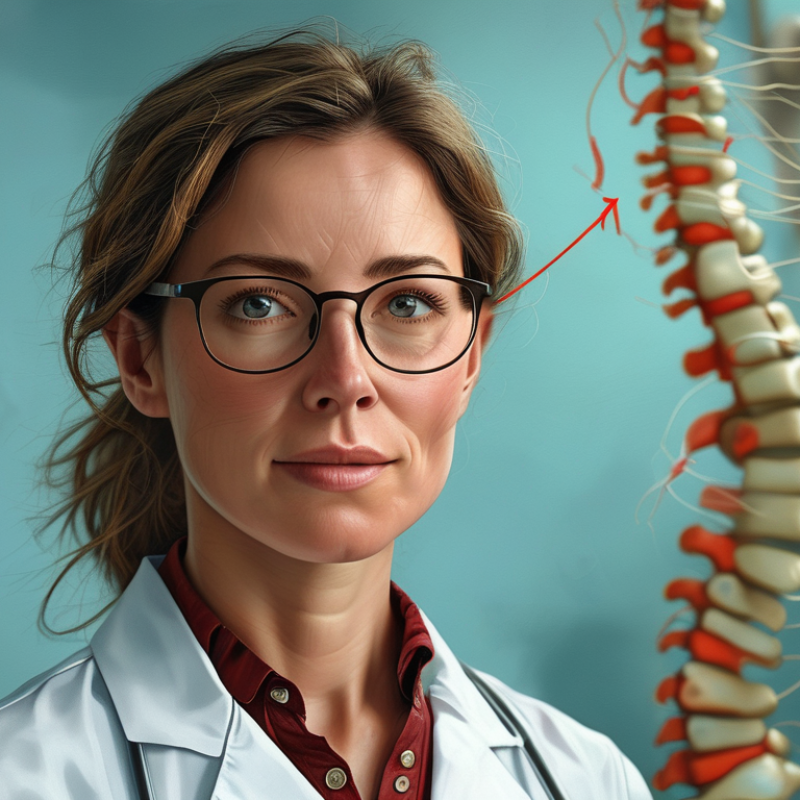
In recent years, advancements in spinal implant technology have transformed the treatment of various spinal conditions. Dr. Emily Stevens, a renowned spinal surgeon, highlights, “The right implants can restore functionality and alleviate pain significantly.” Her expertise sheds light on the crucial question, "How are spinal conditions treated with implants?"
Implants serve as a key solution for many patients. They stabilize the spine and aid in mobility restoration. More specifically, they help with conditions like herniated discs, spinal stenosis, and degenerative disc disease. Patients often report improved quality of life after surgery, but it’s not without its challenges. Some may face complications or require additional procedures.
It's essential to understand that while implants offer promising outcomes, they may not be suitable for everyone. Individual anatomy and the specific condition greatly influence success rates. Continuous research is needed to enhance techniques and materials. This continual evolution keeps practitioners like Dr. Stevens optimistic about the future of spinal care. Therefore, the question remains, how can we optimize treatment methodologies further?
Understanding Spinal Conditions and Their Impact on Quality of Life
Spinal conditions significantly affect individuals' daily lives. According to the American Academy of Orthopaedic Surgeons, over 80% of Americans experience back pain at some point. This discomfort can limit mobility and hinder everyday activities. Furthermore, chronic pain impacts mental health, leading to anxiety and depression in many patients.
The use of implants in spinal surgery has shown promising results. Studies indicate that over 90% of patients report improved quality of life after spinal fusion with implants. This treatment effectively stabilizes the spine and promotes healing. However, not all patients achieve the same level of success. Some may face complications or require additional surgeries, reminding us that medicine is not without its challenges.
Quality of life can be difficult to measure. Objective improvements in mobility may not always translate to subjective satisfaction. Patients often struggle with recovery timelines and realistic expectations. The journey to recovery is personal and varies widely among individuals, necessitating an ongoing dialogue with healthcare providers. This complexity underscores the need for tailored treatment plans that prioritize patient education and shared decision-making.
The Role of Implants in Spinal Surgery and Treatment Options
Implants play a crucial role in spinal surgery, addressing various conditions effectively. These devices can stabilize the spine, allowing for better recovery and alignment. According to a report by the National Institutes of Health, approximately 600,000 spinal surgeries are performed annually in the U.S. Many of these involve implants to support surgical interventions.
Surgeons often utilize titanium and polyethylene implants due to their strength and biocompatibility. A study published in the Journal of Spine Surgery indicates that these materials significantly reduce the risk of infection and failure. Furthermore, advancements in 3D printing technology are allowing for personalized implant designs, which can lead to improved outcomes.
However, challenges remain. Complications can occur, including hardware failure and the need for revision surgery. Data suggests that about 10% of patients may experience complications after spinal fusion with implants. Continuous research and development are necessary to enhance the effectiveness of these devices in treating complex spinal conditions. Addressing these issues will be vital for improving patient outcomes in the long run.
Advantages of Using Implants for Spinal Stability and Pain Relief
Implants play a crucial role in enhancing spinal stability and relieving pain. Studies show that over 70% of patients experience significant pain reduction after implant surgery. This high success rate underscores the importance of implants in treating diverse spinal conditions. By providing structural support, implants help prevent further injury to the spine, allowing for better recovery outcomes.
In addition to stability, implants offer advantages in promoting mobility. A report from the American Academy of Orthopaedic Surgeons highlights that patients with spinal implants can regain mobility faster. This enables them to return to daily activities and improve their quality of life. Pain relief through implants is often immediate, giving patients hope and motivation during recovery.
Tips for those considering spinal implants include researching your condition and discussing thoroughly with your healthcare provider. Understanding the potential risks and benefits is key. Also, focusing on post-surgical rehabilitation can enhance recovery. Engaging in physical therapy can improve strength and flexibility, which are essential for long-term success. Always keep in mind that every patient's journey is unique; listening to your body is vital.
Innovative Implant Technologies: Enhancements in Spinal Treatment
Innovative implant technologies have transformed the approach to spinal treatment. These advancements aim to provide better stability and mobility for patients. Modern implants often integrate smart materials that adapt to the spine's changing demands. These materials promote healing while minimizing discomfort.
Each innovative implant serves a unique purpose. For instance, some devices enhance vertebral fusion. Others focus on containing damage from degenerative diseases. Using minimally invasive techniques, surgeons can place these implants with precision. This reduces recovery time for patients significantly.
Challenges remain, however. Not every patient responds positively to implants. The variability in human anatomy can lead to complications. Ongoing research is critical in addressing these issues. Improvements are needed in patient selection and post-operative care. The goal is better outcomes and increased satisfaction. As technology progresses, spinal implants are likely to evolve further, providing hope for those with chronic pain.
Patient Outcomes: Success Rates and Long-term Benefits of Implants
Implants have revolutionized the treatment of spinal conditions. Their effectiveness is clear in many patient outcomes. Success rates for spinal implants can reach over 80%. Patients often report significant pain relief and improved mobility. These results contribute to a better quality of life.
Long-term benefits are an important aspect to consider. Many patients experience sustained relief years after the procedure. Regular follow-ups can assess the longevity of implant efficiency. However, not all outcomes are perfect. Some may face complications or require additional surgeries. These realities can lead to mixed experiences. Understanding the risks and benefits is crucial for informed decisions.
Patient education plays a key role in setting expectations. Open discussions with healthcare providers can illuminate various outcomes. This transparency fosters trust and helps patients navigate their choices effectively. Implants offer many advantages, but a careful approach is necessary for optimal results.
Top 10 Ways Implants Treat Spinal Conditions Effectively
This bar chart illustrates the effectiveness of various methods used by implants to treat spinal conditions. Each method is measured by its effectiveness percentage based on patient outcomes, showcasing the potential benefits of spinal implants in improving quality of life and patient satisfaction.
FAQS
mericans experience back pain?
Studies show that over 90% of patients report improved quality of life after spinal fusion with implants.
Yes, some patients may face complications or require additional surgeries after treatment.
Objective improvements in mobility may not always translate to subjective satisfaction among patients.
Patient education helps set realistic expectations and fosters open communication with healthcare providers.
No, outcomes vary widely; not all patients achieve the same level of success.
Regular follow-ups assess implant efficiency and long-term relief from pain.
Modern implants often use smart materials that adapt to the spine's demands and promote healing.
Variability in human anatomy can lead to complications for certain patients.
Research is critical for better patient selection and improving outcomes and satisfaction with implants.
Conclusion
Spinal conditions can significantly affect an individual's quality of life, leading to chronic pain and mobility issues. How are spinal conditions treated with implants? Implants play a crucial role in spinal surgery by providing stability and support to the spine, effectively addressing various conditions such as degenerative disc disease, spinal stenosis, and scoliosis. The advancements in implant technology have led to innovative solutions that enhance surgical outcomes and patient recovery.
The use of implants offers numerous advantages, including improved spinal alignment, pain relief, and enhanced stability, which contribute to better overall function. Patient outcomes demonstrate high success rates and long-term benefits, making implants a viable treatment option for spinal conditions. As medical technology continues to evolve, these implants promise even greater improvements in treatment effectiveness, providing hope and relief to many individuals suffering from debilitating spinal issues.
 MGMT Orthopedic Implants
