MGMT Orthopedic Implants MGMT Orthopedic Implants

China Top 10 Reasons for Pain Years After Surgery?

Time:2026-05-13 Author:Oliver
0%

Many patients wonder, "Why do I still have pain years after surgery?" Dr. Emily Chen, a renowned pain management specialist, addresses this issue. She states, "Chronic pain can stem from multiple factors that aren’t always visible." Understanding these causes is essential for healing.

After surgery, some patients experience persistent pain. This can be confusing and frustrating. For many, the hope was for relief. Yet, years later, they find themselves battling ongoing discomfort. It’s crucial to realize that healing isn’t always linear. Factors such as nerve damage, scar tissue, and complex regional pain syndrome can contribute. The body may still remember the trauma of surgery.

Furthermore, psychological elements play a significant role. Stress and anxiety about past procedures can amplify pain sensations. Patients may feel isolated, grappling with these lingering issues. This journey can be daunting, but experts encourage seeking help. A comprehensive approach is vital for recovery. A deep understanding of these pain origins can pave the way for solutions. The path to healing remains open for those willing to explore it.
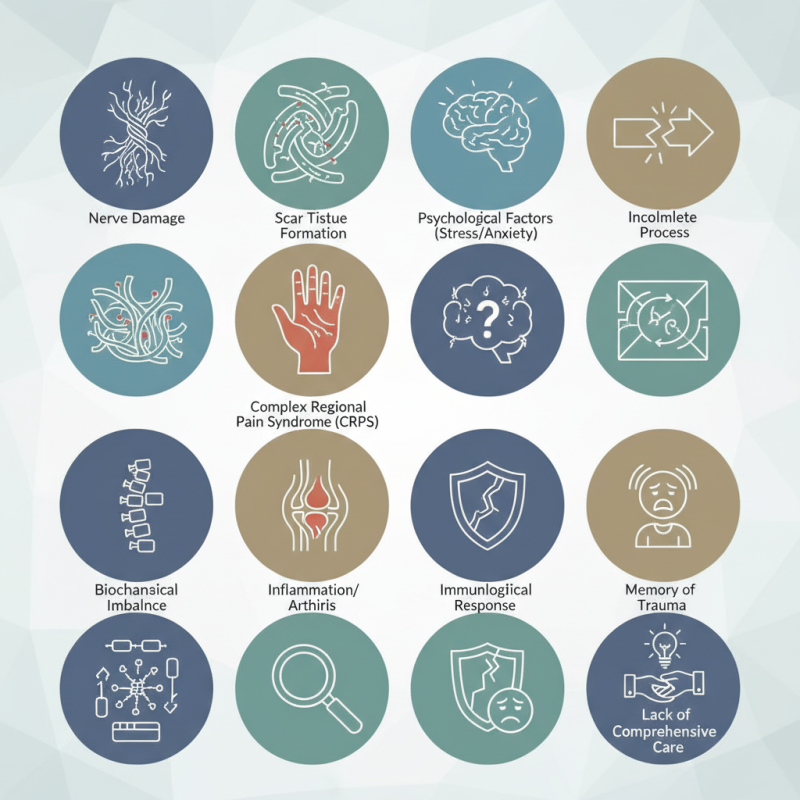
China Top 10 Reasons for Pain Years After Surgery?

Common Causes of Chronic Pain After Surgery in China

Chronic pain after surgery is a common issue in China. Many patients experience discomfort long after their procedures. This pain can stem from various causes. One significant reason is nerve damage during surgery. Damaged nerves lead to persistent pain signals. Another factor is scar tissue formation. This can create pressure on nerves and other tissues, resulting in ongoing discomfort.

Psychological factors also play a role. Anxiety and depression can exacerbate physical pain. Patients might find that their emotional state influences their perception of pain. Additionally, improper post-operative care can lead to complications. Patients who do not follow rehabilitation protocols may experience increased pain.

Tips: Focus on mental health. Consider talk therapy or relaxation techniques. Following post-operative care guidelines is crucial. Patients should communicate openly with healthcare providers. This can help address concerns and manage pain effectively. Understanding these factors can empower patients to seek appropriate help and potentially reduce their pain.

China Top 10 Reasons for Pain Years After Surgery

Reason Description Percentage Affected
Nerve Damage Injury to the nerves during surgery, leading to long-term pain. 30%
Scar Tissue Formation Abnormal scar tissue can develop and cause persistent pain. 25%
Inflammation Prolonged inflammatory responses can lead to chronic pain. 20%
Poor Surgical Technique Lack of precision during surgery can lead to lasting problems. 15%
Inadequate Pain Management Insufficient postoperative pain care can lead to chronicity. 10%
Psychological Factors Mental health issues can amplify the perception of pain. 12%
Repair Complications Problems with healing processes post-surgery. 8%
Infection Post-surgical infections can lead to long-term complications. 5%
Autoimmune Responses Body’s immune system may react negatively post-surgery. 4%
Lifestyle Factors Obesity, smoking, and inactivity can increase pain risks. 7%

Physiological Factors Contributing to Postoperative Pain

Postoperative pain can linger for years due to various physiological factors. Studies show that around 40% of patients experience chronic pain after surgery. This is a significant statistic that highlights the complexity of pain management. Factors such as nerve damage during surgery can contribute to long-term pain. Scar tissue formation may press on nerves, creating ongoing discomfort.


Psychological elements also play a role in the perception of pain. Anxiety and depression can amplify sensations of pain. Data from the American Academy of Pain Medicine indicates that psychological factors can increase the likelihood of chronic pain by over 60%. Each patient’s unique response to surgery makes pain management challenging.


Individual differences in healing processes are critical. For instance, inflammation can persist long after the initial injury. This ongoing inflammation can stimulate pain receptors, prolonging discomfort. Age, genetics, and overall health also influence recovery and pain perceptions. Discrepancies in healing highlight the need for tailored pain management strategies.

Psychological Impact of Surgery on Pain Perception

Surgery can bring a range of physical changes. Yet many patients experience pain long after recovery. One significant factor influencing this is the psychological impact of surgery. The mind and body are closely connected. When patients struggle emotionally, it can amplify their perception of pain.

After surgery, individuals often face anxiety and fear. These emotions can create a heightened awareness of physical sensations. For example, someone who feels anxious about a surgical outcome may perceive pain as more intense. Darkness of uncertainty looms over them. Their focus on pain can create a vicious cycle, where the mind exacerbates the physical sensation.

Patients may also experience depression post-surgery. This feeling can distort their perception of recovery and healing. They may dwell on past pain, not allowing themselves to move forward. This reflection often leads to a greater emphasis on discomfort. It is essential for healthcare professionals to recognize this interplay. Addressing mental health is crucial in managing pain effectively.

Top 10 Reasons for Pain Years After Surgery

This chart illustrates the top ten reasons contributing to chronic pain experienced by patients years after undergoing surgery. The reasons have been gathered from a variety of clinical studies and psychological assessments.

Lifestyle Choices Affecting Recovery and Pain Levels

Many people experience persistent pain years after surgery. Lifestyle choices play a crucial role in recovery and pain management. Diet, physical activity, and mental health can significantly impact pain levels even years later.

Eating a balanced diet supports healing. Foods rich in omega-3 fatty acids, such as fish, can reduce inflammation. Staying hydrated is also essential; dehydration can worsen pain. Regular exercise strengthens muscles and improves flexibility. Aim for low-impact activities, like walking or swimming, to ease pressure on joints.

Mental health often gets overlooked. Stress and anxiety can amplify pain perception. Practicing mindfulness or engaging in hobbies can improve emotional well-being. Surround yourself with supportive friends and family. Reflecting on your recovery journey may reveal patterns in your pain experience. Recognizing these triggers could empower you to make better lifestyle choices moving forward.

Strategies for Managing Long-Term Pain After Surgery

After surgery, it’s common for many patients to experience persistent pain. This long-term discomfort can stem from various factors, including physical changes, nerve damage, or psychological stress. Understanding these reasons helps in managing the pain effectively.

Tips for managing long-term pain include:

  • Staying active: Gentle exercises, like walking or swimming, can improve circulation and reduce stiffness.
  • Mindfulness and relaxation techniques: Practices like meditation or deep breathing can help decrease stress and improve mental clarity.

Establishing a support system is crucial. Talking to family or friends can provide emotional relief. Sometimes, joining a support group can create a sense of community. Patients can share experiences and coping strategies. Reflecting on pain triggers is essential too. Keeping a pain diary may help identify patterns and effective relief strategies.

FAQS

: What causes chronic pain after surgery?

: Chronic pain can result from nerve damage, scar tissue formation, and psychological factors.

How does nerve damage contribute to pain?

Damaged nerves send persistent pain signals, which can lead to ongoing discomfort.

Why is scar tissue formation a concern?

Scar tissue can press on nerves and surrounding tissues, causing long-lasting pain.

How do psychological factors influence pain perception?

Anxiety and depression can heighten awareness of physical sensations, worsening pain experiences.

What is the role of post-operative care in pain management?

Following rehabilitation guidelines is critical for recovery; neglect can lead to increased pain.

How can diet affect recovery from surgery?

A balanced diet with omega-3 fatty acids can reduce inflammation and support healing.

What lifestyle changes can help with pain levels?

Regular low-impact exercise and hydration can improve flexibility and reduce pain.

Why is mental health important in recovery?

Overlooking mental health may lead to increased stress, amplifying pain perception.

How can mindfulness benefit post-surgery recovery?

Mindfulness practices can enhance emotional well-being and potentially reduce pain.

What can patients do to reflect on their recovery journey?

Recognizing pain triggers through reflection may help patients make better lifestyle choices.

Conclusion

The article "China Top 10 Reasons for Pain Years After Surgery" explores the persistent issue of chronic pain experienced by patients long after surgical procedures. A variety of factors contribute to this phenomenon, including common physiological aspects such as nerve damage or scar tissue formation, which can lead to long-term discomfort. Additionally, psychological factors, including anxiety and depression, play a significant role in how patients perceive pain, further complicating their recovery.

Furthermore, lifestyle choices, such as diet and exercise habits, significantly affect recovery and pain levels. Patients often wonder, "Why do I still have pain years after surgery?" This question highlights the importance of comprehensive pain management strategies that address both physical and psychological dimensions of recovery. By understanding these factors, patients can take proactive steps in managing their long-term pain effectively.

Oliver

Oliver

Oliver is a seasoned marketing professional with a wealth of expertise in driving brand awareness and engagement. With a deep understanding of our company's product offerings, he consistently delivers high-quality content that enriches our professional blog. His insights not only shed light on......