 MGMT Orthopedic Implants
MGMT Orthopedic Implants
MGMT Orthopedic Implants
The decision to remove orthopedic implants raises significant questions. Many patients wonder, "Can orthopedic implants be removed?" This inquiry is crucial for individuals experiencing discomfort or complications from their implants. Advances in surgical techniques have improved removal outcomes. However, the process is not without risks.
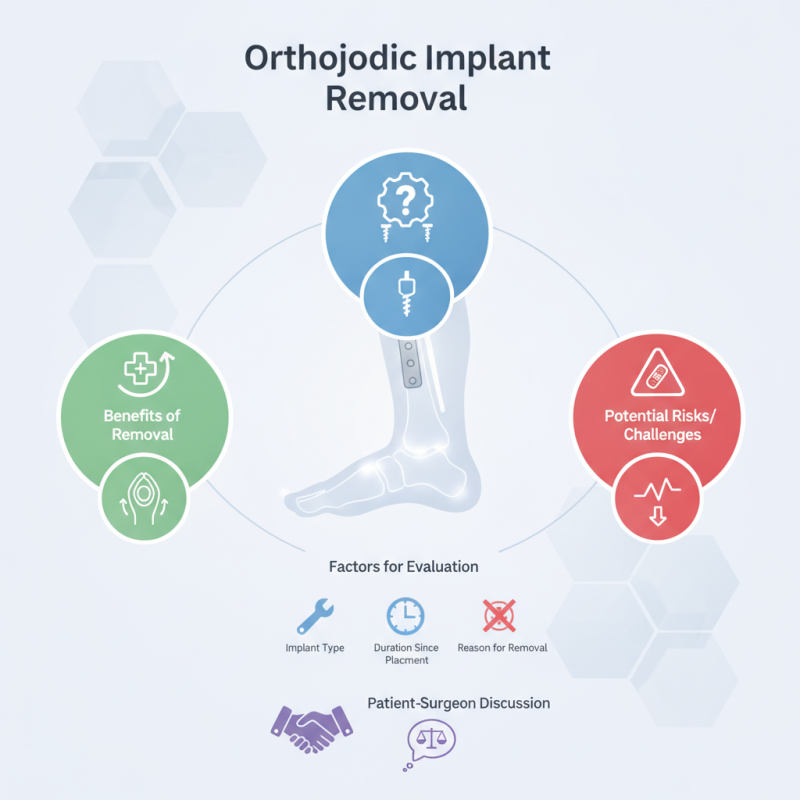
Surgeons must evaluate each case individually. Factors such as the type of implant, the duration since placement, and the reason for removal all play a role. In some instances, the benefits of removal may outweigh the risks. Yet, there are cases where patients may need to weigh the potential negative consequences of the procedure.
Patient experiences vary widely. Some report relief post-removal, while others may face unexpected challenges. It is vital for patients to discuss their specific situation with a qualified orthopedic surgeon. Honest conversations can guide decisions and help manage expectations. Understanding the factors involved is crucial for anyone considering this surgery.
Orthopedic implants are medical devices used to support or replace damaged bones and joints. The purpose of these implants is to improve mobility and provide stability. According to a report by the American Academy of Orthopaedic Surgeons, more than 1 million orthopedic surgeries involving implants are performed annually in the United States alone. These procedures help patients regain their quality of life after injuries or degenerative diseases.
Implants can include screws, plates, and joint replacements. They are often made from biocompatible materials, such as titanium and stainless steel. A study published in the Journal of Bone and Joint Surgery indicates that around 90% of patients experience significant pain relief and improved function post-surgery. However, complications can arise, including infections and implant rejection. Not all patients are suitable candidates for implant surgery or removal.
Removing orthopedic implants is a complex decision. Some patients may benefit from their continued presence. Others may experience discomfort or complications that warrant removal. A study in Clinical Orthopaedics and Related Research found that about 10-20% of implants might need to be removed within seven years due to complications. Each case should be thoroughly evaluated, considering both benefits and potential risks associated with the procedure.
: Common reasons include infection, mechanical failure, and persistent pain.
Nearly 20% of patients with metal implants may have complications requiring removal.
Allergic reactions and hardware prominence can cause significant discomfort.
About 5% to 10% of patients may need revision surgery due to implant complications.
Risks include infection, bleeding, and potential nerve damage during surgery.
Existing health conditions may increase the likelihood of complications.
Physical therapy helps restore mobility and strength through gradual exercises.
Pain may last from a few days to several weeks post-surgery.
A balanced diet aids healing, especially adequate protein intake for tissue repair.
Many patients struggle with motivation and maintaining limitations in movement.
The question "Can orthopedic implants be removed" is critical for patients contemplating the removal of their orthopedic devices. Orthopedic implants, designed to support healing and restore function, may need to be removed for various reasons, including infection, implant failure, or patient discomfort. Understanding the risks and complications associated with implant removal is essential; complications can arise even in well-conducted surgeries.
Surgical techniques have evolved to allow for safer removal of these implants, emphasizing precision and care to minimize trauma to surrounding tissues. Post-removal, patients typically undergo a recovery and rehabilitation process that focuses on restoring strength and mobility, ensuring they can return to their normal activities effectively. Ultimately, the decision to remove an orthopedic implant should be made collaboratively between the patient and their healthcare provider, weighing the benefits against potential risks.
